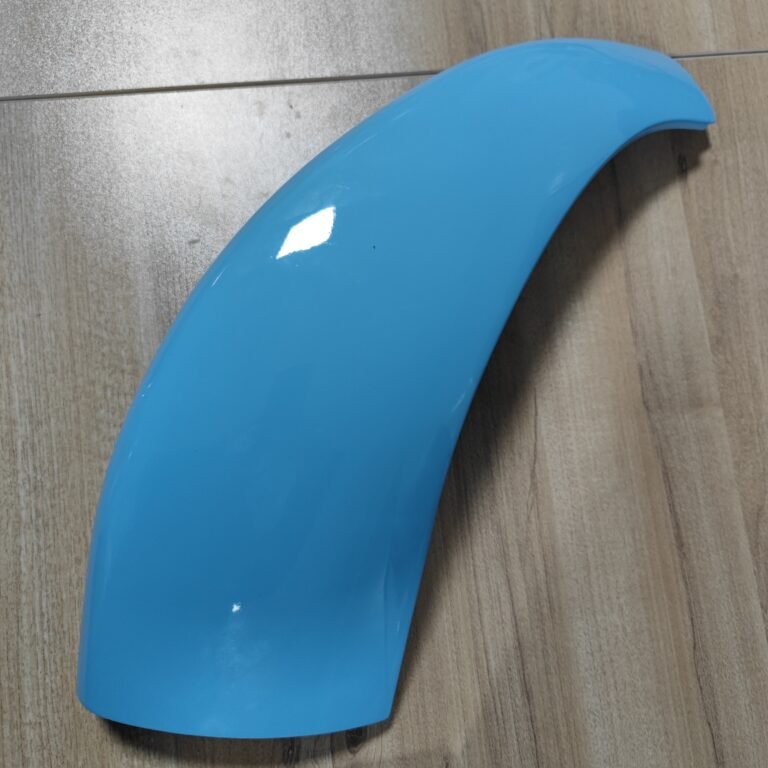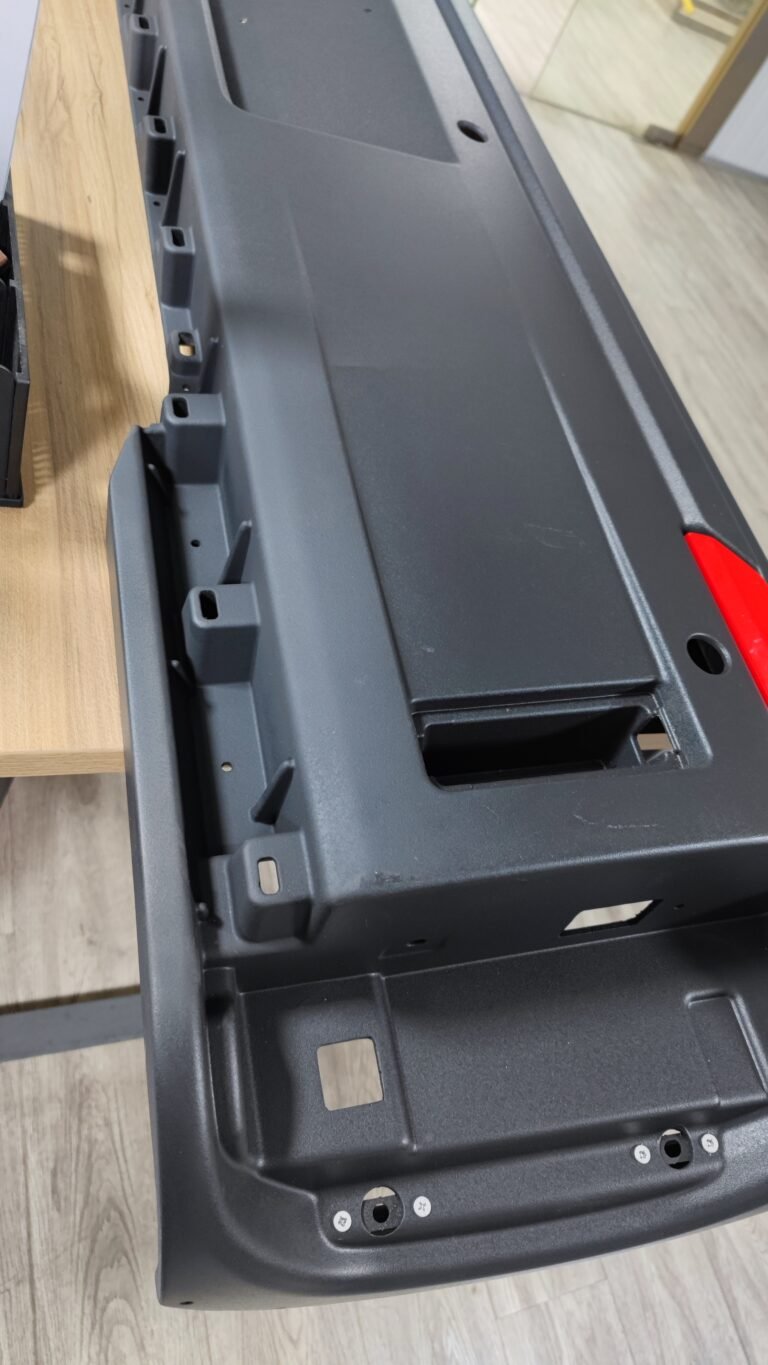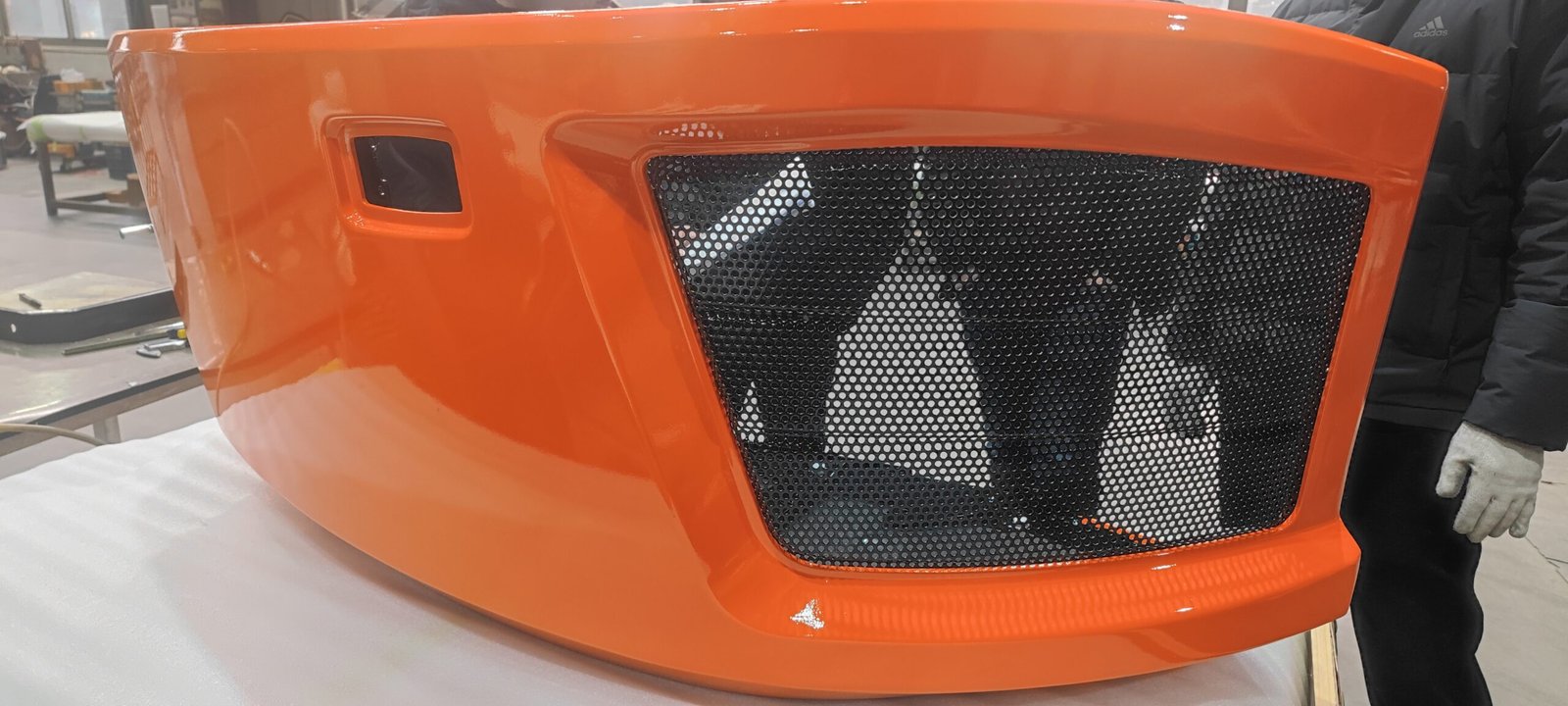
In PDCPD-RIM (Reaction Injection Molding), achieving a high-quality surface finish is essential. Sink marks—shallow depressions on the surface of a part—are common defects that occur when the internal shrinkage of the material pulls the surface inward during polymerization. To resolve this, engineers must focus on structural design optimization and precise thermal management.
I. Optimizing Rib and Structural Design
The design of reinforcement features is the most critical factor in preventing sink marks. Excessive mass at the junction of a rib and the main wall creates “hot spots” that shrink more than the surrounding areas.
1. Controlling Rib Thickness
The thickness of the rib (D) relative to the main wall thickness (T) must be strictly controlled.
- Standard: Keep the $D/T$ ratio below 2/3.
- High-Precision Requirement: If the spacing between ribs is small, the ratio should be reduced further to 1/2. This ensures that the rib does not concentrate too much heat, allowing for uniform cooling across the part.
2. Implementing Proper Root Radii
Sharp corners at the base of a rib can cause stress concentration and flow resistance, while excessively large fillets increase localized thickness.
- Solution: Apply a moderate radius (fillet) at the root. This smooths the transition of the resin flow and distributes shrinkage tension more evenly, preventing the surface from being pulled inward.
3. Adding Transition Slopes
Sudden changes in wall thickness are a primary cause of sink marks.
- Strategy: Incorporate a gradual transition slope (taper) in thick-walled sections or where structural features meet the cosmetic surface. Transitioning the geometry helps maintain a steady reaction front and reduces the localized mass that triggers depressions.
II. Master Mold Temperature Control
In PDCPD molding, the “pulling force” of shrinkage can be directed away from the cosmetic surface by manipulating the mold temperature.
- Temperature Differential Strategy: It is highly effective to set a temperature gap between the two mold halves.
- Recommended Settings: The Cavity (Female mold) should be maintained at approximately 90°C, while the Core (Male mold) should be around 60°C.
- The Logic: Increasing the cavity temperature enhances the adhesion (contact force) between the resin and the mold surface. This forces the internal shrinkage to “pull” from the core side (the back of the part), effectively masking any sink marks on the visible exterior.
- Warning: Do not drop the core temperature below 50°C to achieve a larger differential. Temperatures that are too low will significantly decrease the reaction activity of the DCPD resin, leading to poor physical properties and surface defects.
Conclusion
By combining a 2/3 rib-to-wall thickness ratio with a 90°C/60°C mold temperature differential, manufacturers can virtually eliminate sink marks in PDCPD parts. Successful RIM molding requires this balance between proactive structural design and reactive process adjustment.