In PDCPD-RIM (Reaction Injection Molding), a short shot—where the resin fails to completely fill the mold cavity—can lead to costly scrap and structural failures. Unlike thermoplastic injection molding, PDCPD is a low-viscosity liquid reaction process, meaning the causes of material shortage often relate to air management and polymerization timing. Below are four essential strategies to ensure a full and consistent fill.
I. Perfecting the Mold Seal
The most overlooked cause of material shortage is actually air aspiration.
- The Mechanism: As the liquid resin flows through the runner and enters the cavity, it can create a Venturi effect. If the mold seals (O-rings) are damaged or improperly seated, especially near the runner or gate area, outside air will be sucked into the cavity.
- The Result: This air displaces the liquid resin, creating large voids or a “starved” appearance that resembles a lack of material.
- Solution: Ensure 100% airtight sealing along the parting line and around the injection head connection point.
II. Optimizing Cavity Temperature
In PDCPD molding, temperature is the “catalyst” for the reaction. If the mold temperature is not calibrated correctly, the resin may not behave as intended.
- Standard Settings: The cavity temperature must reach the required threshold (typically 80°C–90°C for the female mold) to trigger a complete and uniform exothermic reaction.
- The Risk: If sections of the mold are too cold, the polymerization may be sluggish or incomplete, leading to localized “soft spots” or material retreating from edges. Conversely, if it is too hot too early, the material might “gel” prematurely, blocking the flow to distal ends.
III. Strategic Venting and Overflow Reservoirs
Air trapped inside the cavity is the primary physical barrier to the incoming liquid resin.
- Corner Venting: Air naturally gets trapped in sharp corners and the “last-to-fill” areas (filling ends).
- Overflow Grooves: To ensure these areas are filled, engineers must design vents (0.1mm thickness) and overflow reservoirs (slug wells) at the filling terminals. This allows the air and the “leading edge” of the resin (which may contain bubbles) to exit the main cavity, ensuring the final part is dense and complete.
IV. Channel Design and Flow Induction
“Dead zones” are areas where the geometry of the part causes the resin to bypass a section or move too slowly, leading to air entrapment or premature gelling.
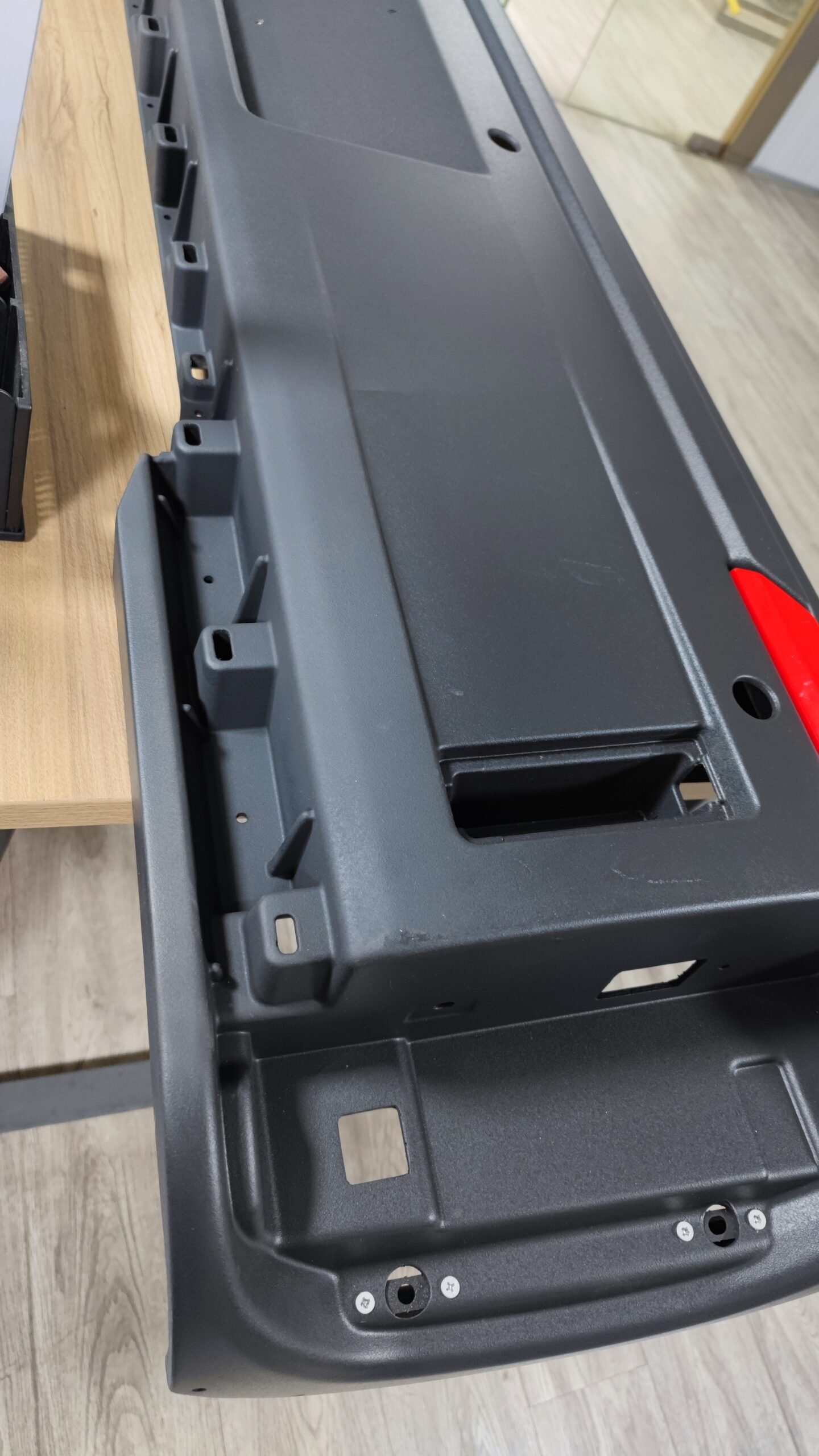
- Flow Induction: If a specific area consistently lacks material, you can modify the part geometry by adding internal ribs or flow channels.
- The Benefit: These structural additions act as “highways” for the liquid resin, guiding the flow smoothly into difficult-to-reach corners and ensuring the entire volume of the cavity is occupied before the reaction reaches the “no-flow” stage.